
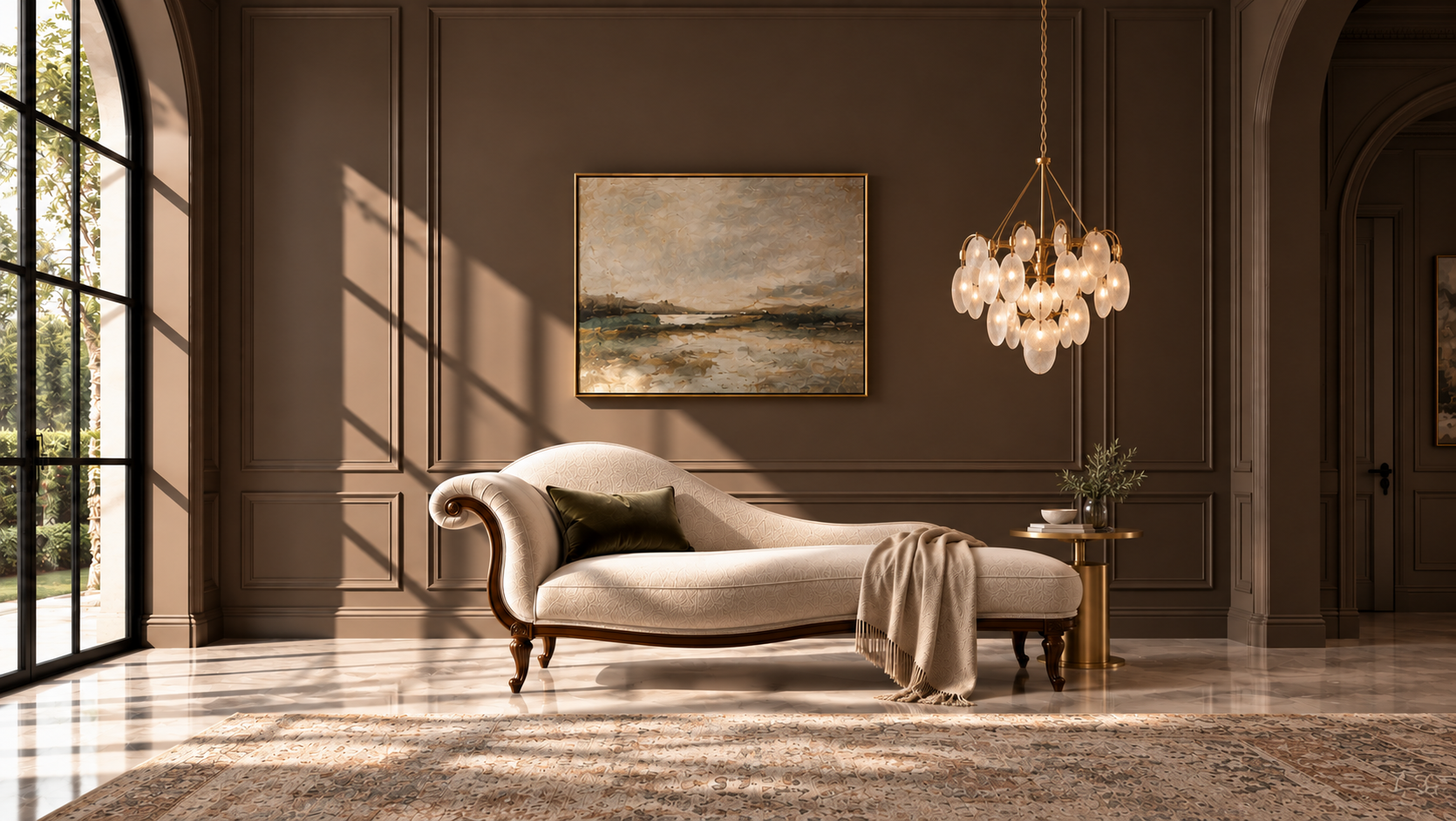
…to Feel Finished
How to Make a Room Feel Finished
Several years ago, I was having lunch with a colleague who asked me a question that caught me a little off guard. We were talking about my business and interior design in general when he asked, “If you could give me just one design tip – one thing you think is really important – what would it be?”
I had to think about it for a minute. Because, of course, there are a million design tips out there. Three ways to do this. Five things every room needs. Ten mistakes you should never make. (And yes, I’ve probably written a few of those lists myself.) But if I could only give him one?
“The importance of negative space.”
He looked at me somewhat quizzically. “What do you mean by that?”
I told him that sometimes good design is as much about knowing what not to put into a room as it is about knowing what to put there. It’s knowing when not to hang another picture on the wall. When not to put a piece of furniture in an empty corner simply because there’s room for one. When a tabletop doesn’t need one more accessory. When a little bit of empty floor or wall space is exactly what allows everything around it to shine.
In other words, sometimes the empty space is doing a job. And ironically, one of the things that can make a room feel truly finished is knowing when to stop trying to fill it. It’s surprisingly easy to overdecorate a room simply because we assume every empty space needs something.
Negative Space Isn’t Leftover Space
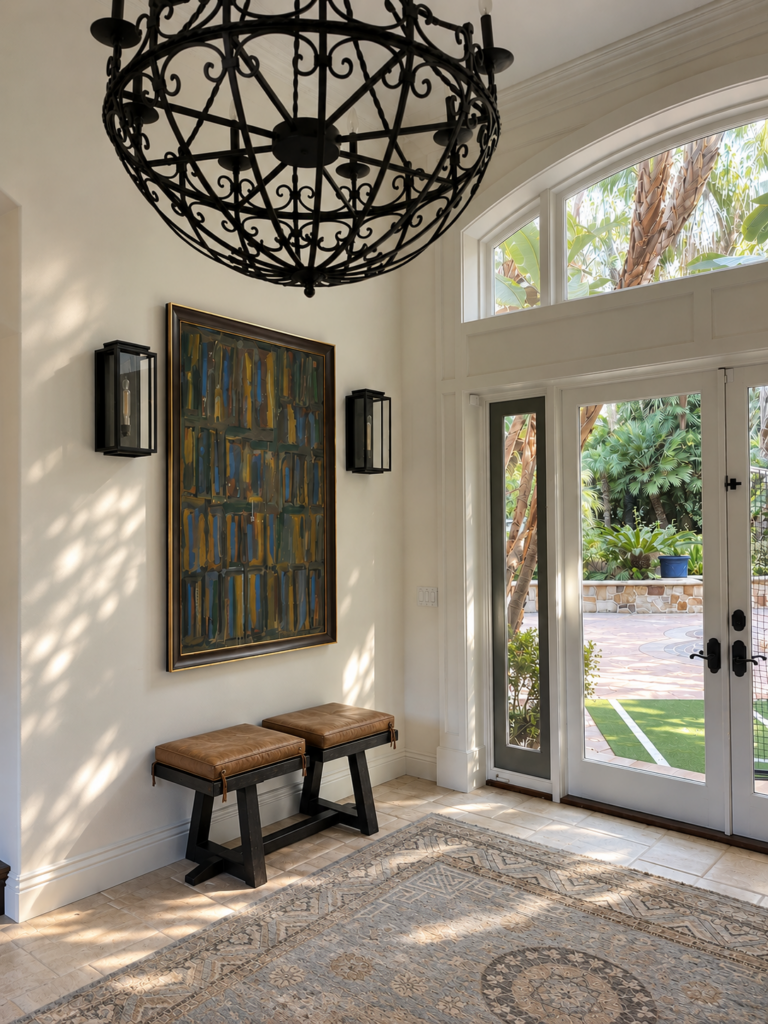
When we think about decorating a room, we naturally think about the things we’re putting into it—the furniture, the rug, the artwork, the lighting, the accessories. But the space around those things is part of the design, too.
Negative space in interior design refers to the areas of a room that aren’t occupied by an object. And while it may sound like something that just happens to be left over after everything else has been placed, good negative space is anything but accidental.
It’s breathing room. It’s what allows your eye to actually see the beautiful piece of art rather than having it compete with five other things around it.
Negative space is what makes a gorgeous chair feel sculptural instead of simply becoming one more piece of furniture in a crowded room. It’s what allows the things you’ve chosen carefully to feel important.
Negative space isn’t leftover space….it’s designed space.
Pamela Sandall
Not Every Empty Spot Needs Something
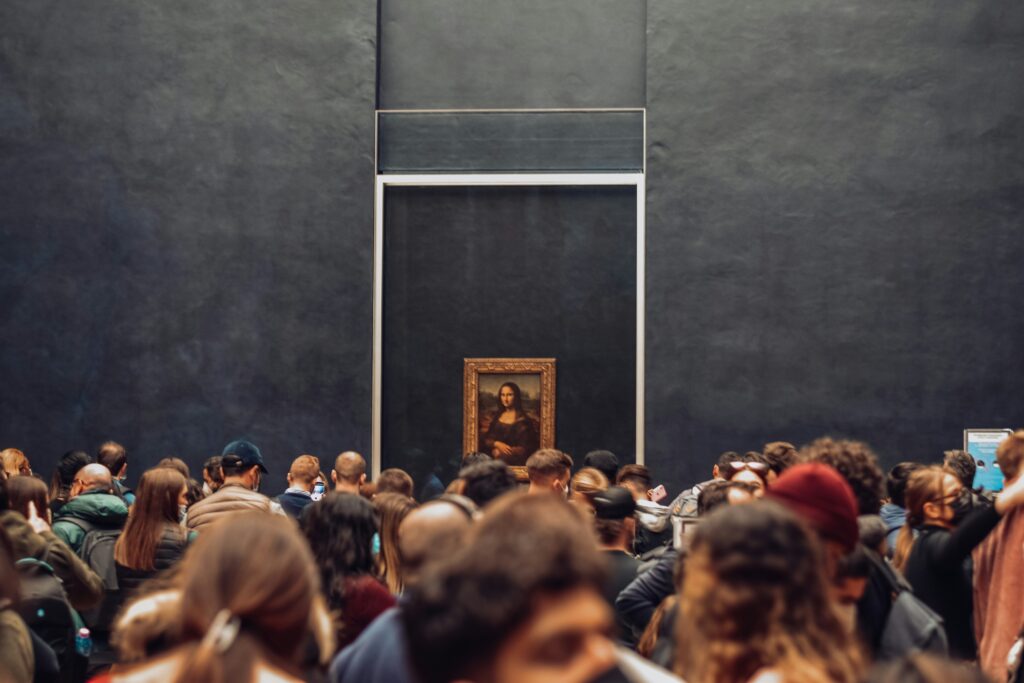
I think this may be one of the harder things to learn about decorating your own home. We see an empty wall and immediately think, What should go there? There’s an open corner: We need something in that corner. There’s an empty stretch of console: What can I put there?
But sometimes the answer is…nothing.
And I don’t mean that every home should suddenly become minimalist. If you’ve seen my work, you already know that’s certainly not what I’m suggesting. I love art. I love books and collected objects and beautiful textiles and rooms that feel layered and personal. Negative space isn’t about stripping all of that away. It’s about giving those things enough room to matter.
A collected gallery wall can be wonderful. But so can one fabulous piece of art hanging on a wall with absolutely nothing beside it. A beautifully styled console can have several objects on it without needing something to fill every last inch. And an empty corner isn’t necessarily a problem waiting to be solved. Sometimes it just gives the rest of the room a little room to breathe.
How Do You Know When a Room Is Finished?
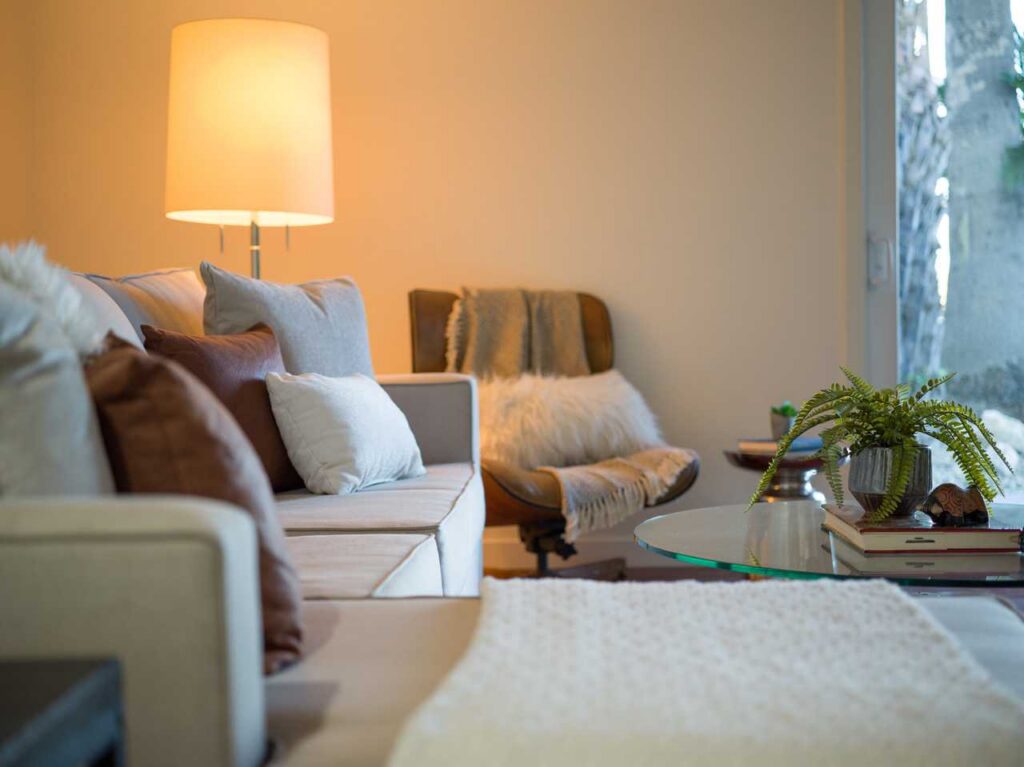
There comes a point in almost every room when adding something else doesn’t make it better. It just makes it more. And those aren’t the same thing.
That’s where editing becomes every bit as important as selecting. When I’m working on a room, I’m constantly looking at the relationship between things—not just whether I like an individual lamp or chair or piece of art, but whether the room needs it. Does it add something? Does it make something else less important? Would the room actually be better without it?
Sometimes the last thing a room needs isn’t one more thing. Sometimes it needs me to take something away. And sometimes avoiding an overdecorated room is really as simple as recognizing that you’ve already done enough.
Try Looking at Your Own Home Differently
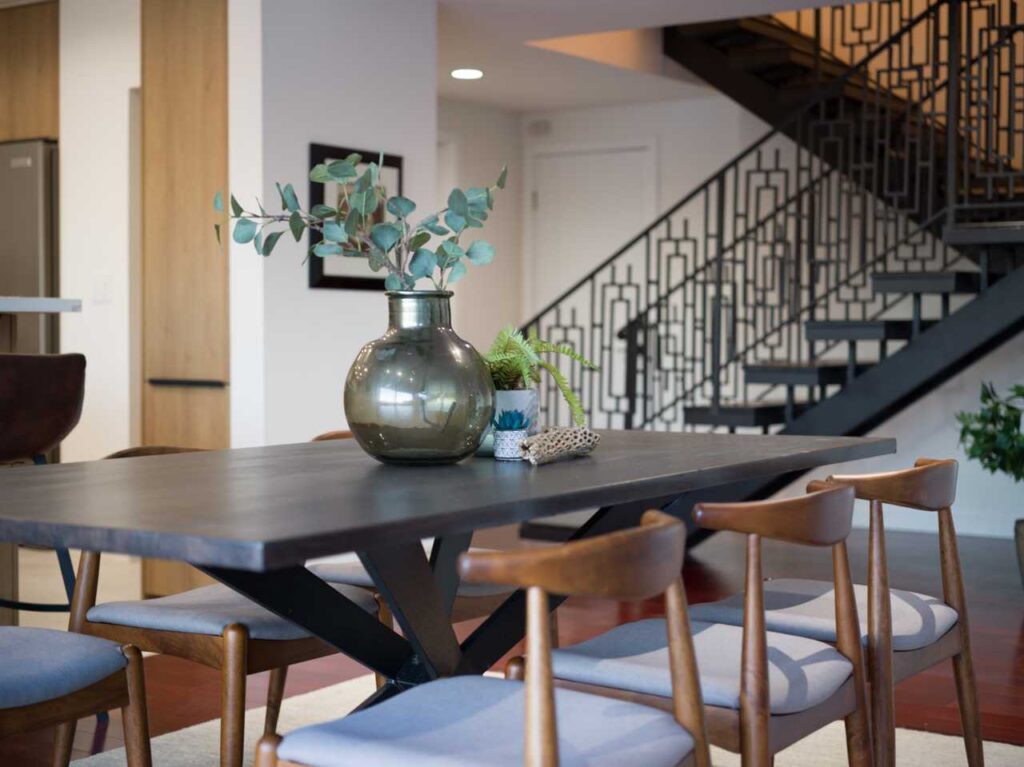
The next time you walk into a room in your home and something doesn’t feel quite right—or simply doesn’t feel finished—resist the instinct to immediately ask yourself what’s missing. Instead, try asking: Is there too much? Look at the walls, the tabletops, the furniture and the spaces between things. Is everything competing for your attention?
Could one beautiful object have more impact if there were fewer things surrounding it? Is there a piece of furniture that’s there mostly because there was an empty spot to fill?
And before you put something into that last blank corner, consider the possibility that the empty corner might be perfectly fine. It might even be exactly what the room needs.
The Design Tip He Remembered
A few years after that lunch, I happened to run into that same colleague at an event. He reminded me of our conversation and told me something I wasn’t expecting: he still thought about negative space all the time.
In fact, whenever he walked into a beautiful space, he’d started noticing the empty spaces—the places where someone had made the decision not to put something. I loved that, because what had been an almost off-the-cuff answer to a question over lunch had actually changed the way he looked at rooms.
And all these years later, I still think it’s probably one of the best design tips I could give someone. Good design isn’t only knowing what to put into a room.
And knowing when to quit is sometimes the best way to make a room feel finished.


